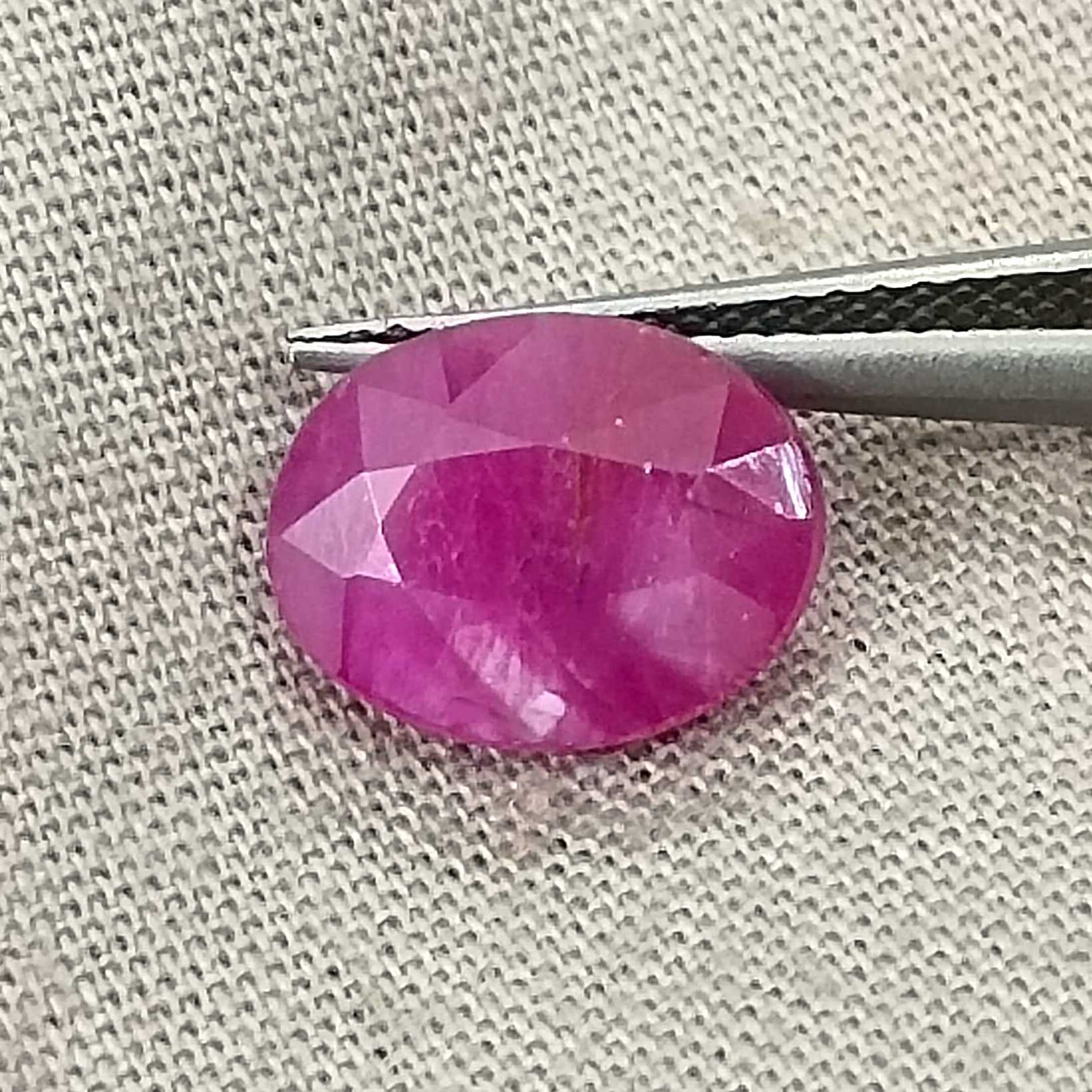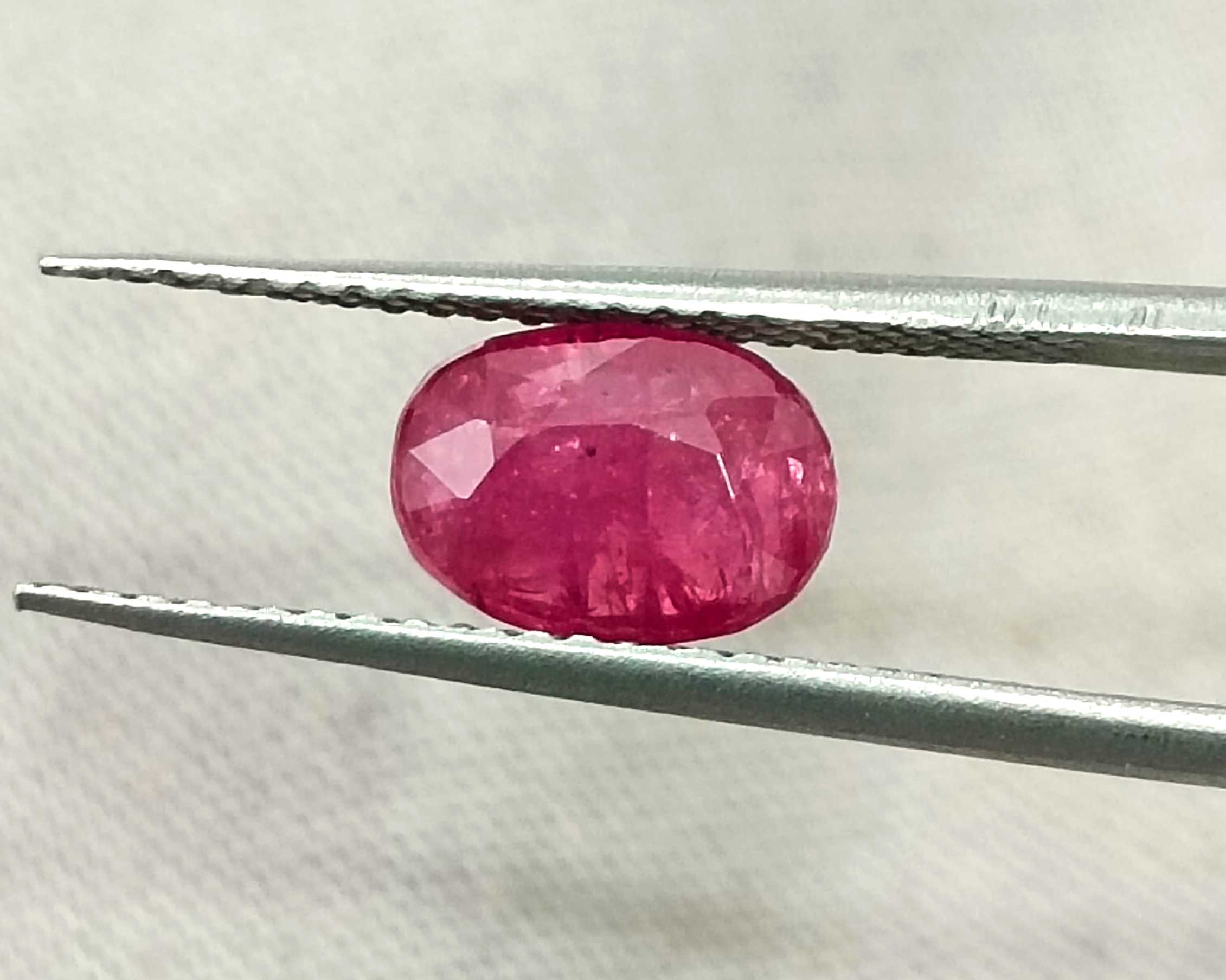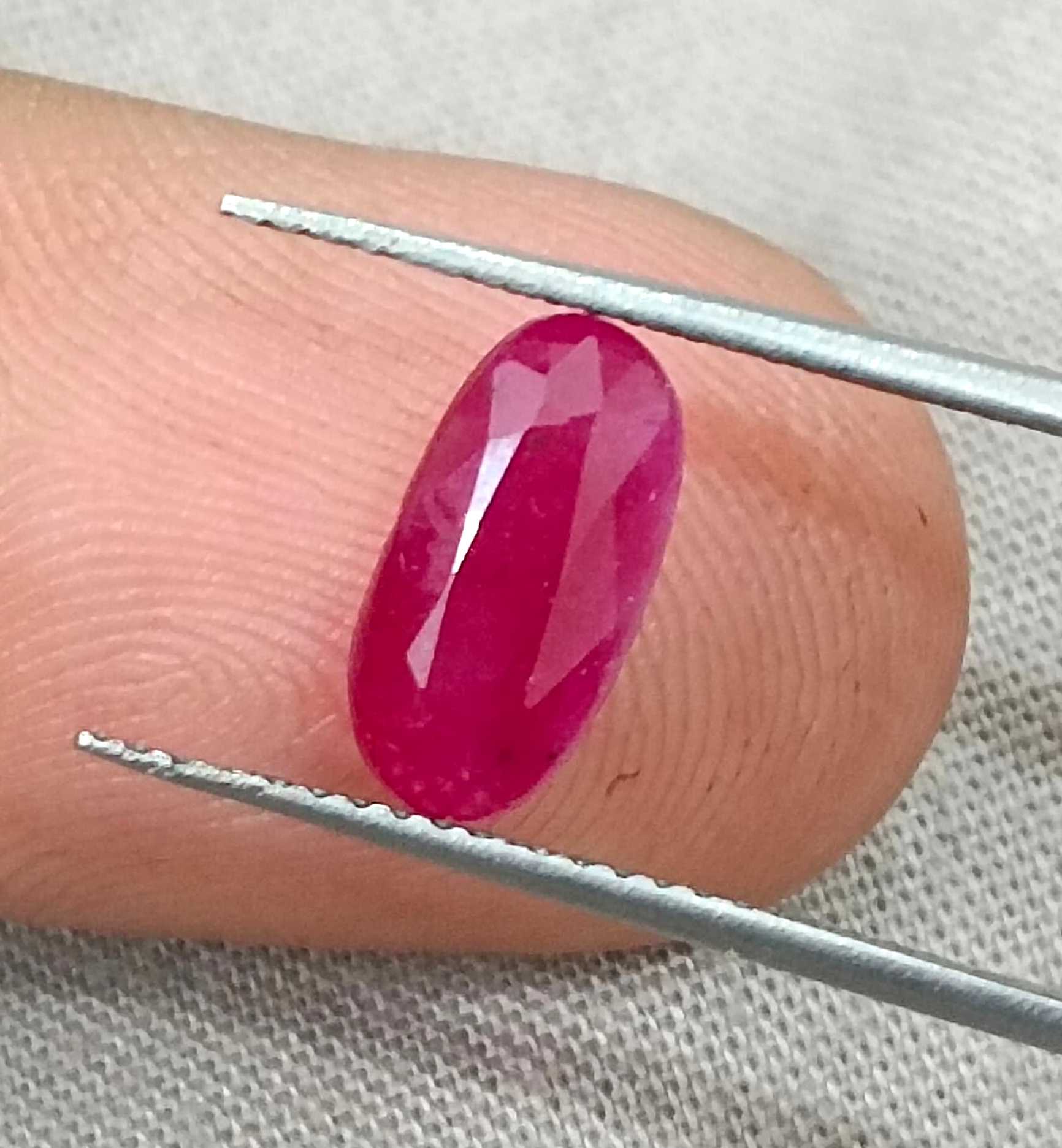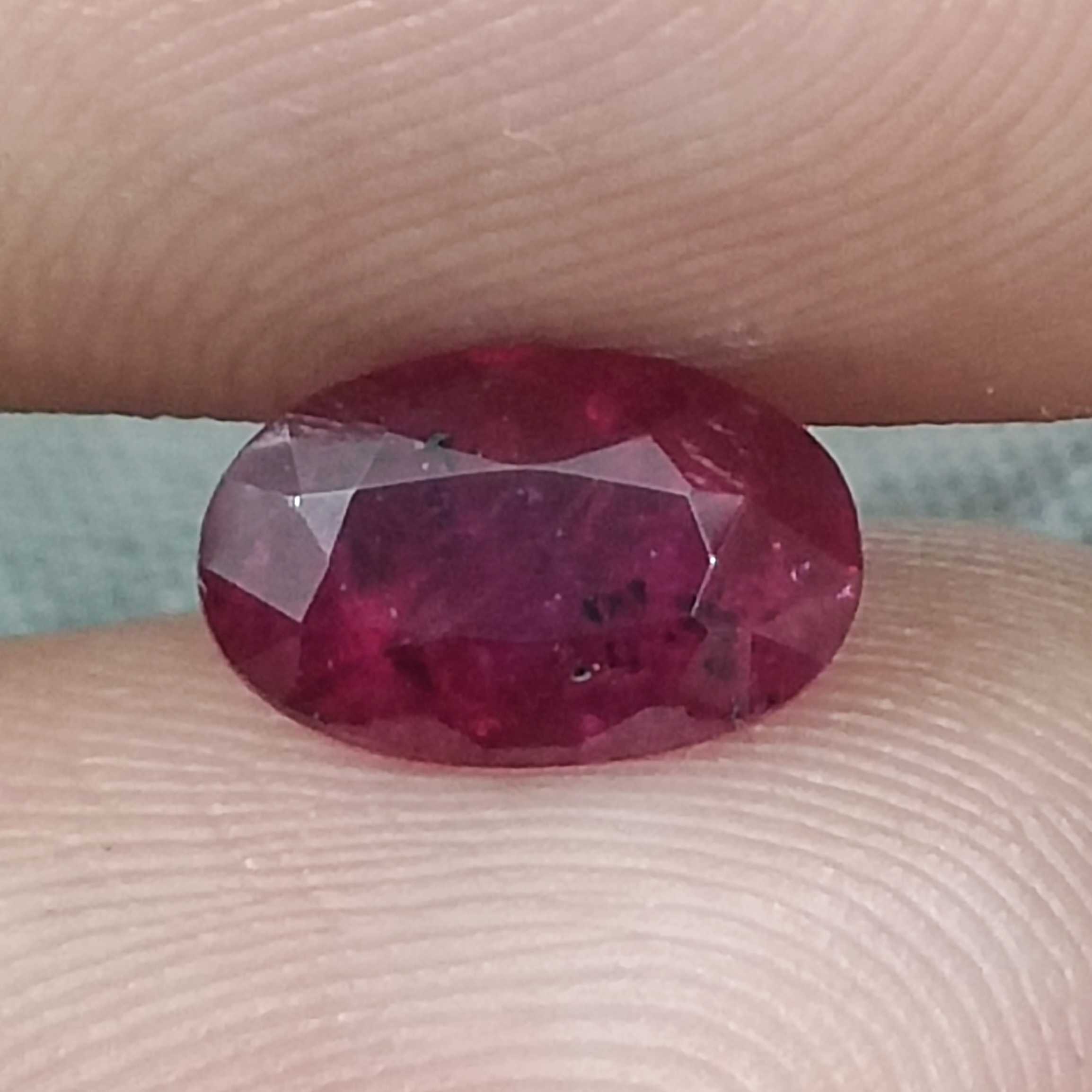

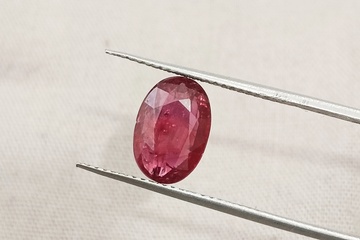
As other rubies Mozambique ruby is also a natural variety of the mineral corundum that owes its rich red color primarily to chromium.
Since the discovery of major ruby deposits in northern Mozambique in 2009, Mozambique has become one of the world's leading sources of fine-quality natural rubies.
Today, Mozambique selected fine rubies are admired for their vibrant color, excellent transparency, impressive crystal size, and exceptional value, making them highly sought after by gemstone collectors, jewelers, and investors worldwide.
The finest Mozambique rubies are mined in the Montepuez Ruby Mining District in Cabo Delgado Province, northern Mozambique. This region is renowned for producing rubies with outstanding color saturation and remarkable clarity.
Mozambique is now one of the world's most important producers of gem-quality natural rubies and supplies a significant portion of the international ruby market.
Mozambique rubies occur in a broad range of attractive red hues, including:
Vivid Red
Deep Red
Purplish Red
Slightly Pinkish Red
Strong Red
The finest specimens display excellent brilliance, attractive transparency, and evenly distributed color. Some exceptional stones may exhibit a color comparable to the world's finest rubies.
Identifying a Mozambique ruby requires professional gemological examination. No single feature can confirm geographic origin, but experts evaluate a combination of characteristics.
Important indicators include:
Rich natural red color
High transparency
Natural crystal inclusions
Internal growth features
Fluorescence characteristics
Trace-element chemistry
Spectroscopic analysis
Professional laboratories combine microscopic examination with advanced analytical techniques before issuing an origin opinion.
Common Inclusions Found in Mozambique Rubies
Natural Mozambique rubies commonly contain inclusions that support their natural origin. These may include:
Rutile silk (often partially dissolved in heated stones)
Fingerprint inclusions
Zircon crystals
Amphibole inclusions
Mica platelets
Negative crystals
Tiny healed fractures
Growth zoning
The inclusion pattern varies from stone to stone. Origin determination is always based on the complete gemological evidence rather than any single inclusion.
Many Mozambique rubies undergo heat treatment to improve color and clarity. Heat treatment is an accepted industry practice when fully disclosed.
Untreated Mozambique rubies with attractive color and clarity are significantly rarer and often command premium prices.
Always ask whether the stone has been heated and request an independent laboratory certificate.
Jewelfields firstly started its journey in the rubies only, but as rubies became rarer to source we stepped into diamonds and emeralds afterwards.
So for good rich looking African and Mozambique origin rubies in reasonable business prices please look out inventory of selected good and clear looking cut and polished ruby gemstones at best rates online.
We ship to all major countries worldwide from Jaipur. INDIA. Our stones go to New York USA, China, Bangkok, Hongkong, Thailand, Australia, Russia, Ukraine, Dubai UAE, Emirates, Italy, London UK, Canada, etc.
Keywords: Mozambique certified ruby seller, ruby natural supplier in India, transparent ruby, buy non heated ruby transparent in best wholesale rates, natural precious gemstone manufacturers and traders, Afghanistan and Mozambique ruby rough, difference in Burmese (Burma/Myanmar), Afghan, Ceylon(Srilanka) and Mozambique ruby gemstone.